Category: Quotes

Imagination

The tree which moves some to tears of joy is in the eyes of others only a green thing that stands in the way. Some see Nature all ridicule and deformity, and some scarce see Nature at all. But to the eyes of the man of imagination, Nature is Imagination itself.

William Blake

Rich Diversity

Each region has suites of vegetation that can tolerate the most difficult conditions: drought flood, sand, clay, sun, wind, sterility. Roots penetrate the ground, improving the drainage where the soil is water-logged, increasing water retention where the soil dries too quickly. Leaves convert soil minerals to organic matter—compost the ground, make it looser, richer, moister. Ultimately species that could have thrived in the original harsh conditions begin to grow in the protective shade of this nursery, and gradually a more permanent community replaces the pioneers. … The land will mature, become more productive and rich in its diversity.

This is not true of unnatural plantings. Merely decorative plants merely grow. In time they grow too big, or they die; then someone takes them out and redecorates with others. Nothing else happens. There is no evolution. There is no profit set aside for the future because, for all the money spent, there has been no investment in the land.

Sara Stein–Planting Noah’s Garden

Credo

I believe:
Good design matters.
The quality of our environment affects our health and spirit.
Gardens are points of connection, grounding, and continuity.
Well loved spaces amplify living.
Nature should be interpreted, not imitated in designed landscapes.
Planting design should be bold, daring, and uncompromising.
We can reclaim biodiversity and habitats within human landscapes.
A good day ends with dirt under my nails, grass stains on clothes, and dreams of the next garden.

Thomas Rainer

Naturalistic

The word naturalistic is very interesting. When I first started 30-something years ago, I considered myself a naturalistic designer. However, I didn’t realize that meant studying nature and bringing that into the garden in somewhat concrete and literal ways.

It just meant to me creating things that looked naturalistic—that weren’t clipped, and overly pruned, and overly formal.

Over the years, I’ve learned that if you really want to call something natural, it ought to have some real connection to what goes on around you in the natural world. That started off by using native plants, or an increasing amount of native plants, and then it turned into in more recent years to understanding that no matter what plants you choose, but what natural processes you allow to unfold or manage in the landscape.

To me right now, that’s really the difference between being able to make these things happen over time, and overcome a lot of the difficulties that gardens have from a maintenance standpoint and an environmental standpoint.

Larry Weaner–awaytogarden.com Interview 
Unfailing Antidote

A child’s world is fresh and new and beautiful, full of wonder and excitement. It is our misfortune that for most of us that clear-eyed vision, that true instinct for what is beautiful and awe-inspiring, is dimmed and even lost before we reach adulthood. If I had influence with the good fairy who is supposed to preside over the christening of all children, I should ask that her gift to each child in the world be a sense of wonder so indestructible that it would last throughout life, as an unfailing antidote against the boredom and disenchantment of later year…the alienation from the sources of our strength.

Rachel Carson–The Sense of Wonder


Unsustainable Harvest

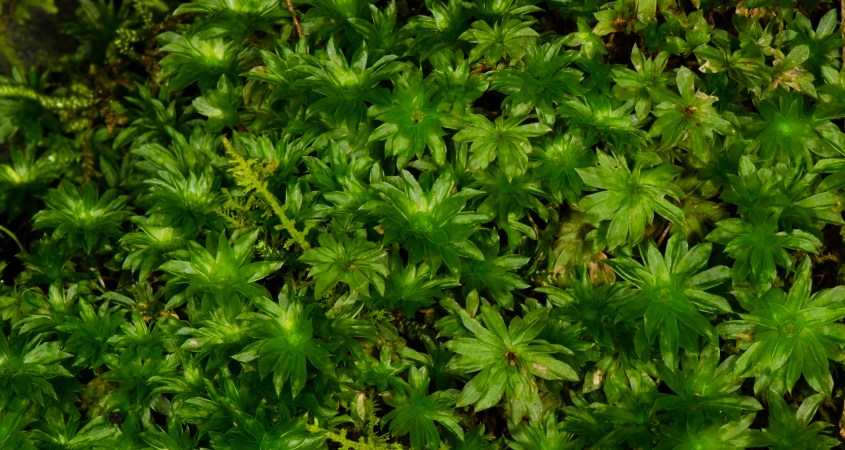
Moss harvesters are in a sense removing “old-growth” mosses, which cannot replace themselves nearly as quickly as they are removed. This is, by definition, unsustainable harvest. Their loss will have consequences we cannot foresee. When the mosses are taken, their web of interactions goes along with them. Birds, rivers, and salamanders will miss them.

Robin Kimmerer–Gathering Moss: A Natural and Cultural History of Mosses

Still Time

Somewhere close I knew spear-nosed bats flew through the tree crowns in search of fruit, palm vipers coiled in ambush in the roots of orchids, jaguars walked the river’s edge; around them eight hundred species of trees stood, more than are native to all of North America; and a thousand species of butterflies, 6 percent of the entire world fauna, waited for the dawn. About the orchids of that place we knew very little. About flies and beetles almost nothing, fungi nothing, most kinds of organisms nothing. Five thousand kinds of bacteria might be found in a pinch of soil, and about them we knew absolutely nothing. This was wilderness in the sixteenth-century sense, as it must have formed in the minds of the Portuguese explorers, its interior still largely unexplored and filled with strange, myth-engendering plants and animals. From such a place the pious naturalist would send long respectful letters to royal patrons about the wonders of the new world as testament to the glory of God. And I thought: there is still time to see this land in such a manner.

Edward O. Wilson–The Diversity of Life

Variety of Life

Landscapes of great wonder and beauty lie under our feet and all around us. They are discovered in tunnels in the ground, the heart of flowers, the hollows of trees, fresh-water ponds, seaweed jungles between tides, and even drops of water. Life in these hidden worlds is more startling in reality than anything we can imagine. How could this earth of ours, which is only a speck in the heavens, have so much variety of life, so many curious and exciting creatures?

The Walt Disney Company