Category: Quotes

Constant Flux

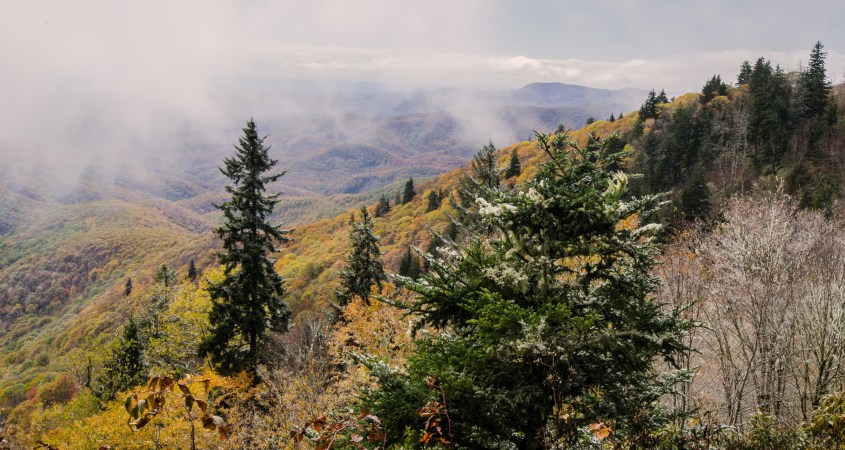
A third peculiarity about the forest is that it exhibits a dynamic beauty. A Beethoven symphony or a poem of Shelley, a landscape by Corot or a Gothic cathedral, once it is finished becomes virtually static. But the wilderness is in constant flux. A seed germinates, and a stunted seedling battles for decades against the dense shade of the virgin forest. Then some ancient tree blows down and the long-suppressed plant suddenly enters into the full vigor of delayed youth, grows rapidly from sapling to maturity, declines into the conky senility of many centuries, dropping millions of seeds to start a new forest upon the rotting debris of its own ancestors, and eventually topples over to admit the sunlight which ripens another woodland generation.

Bob Marshall (Founder of The Wilderness Society)
Curiosity

All knowledge is related. When we know more about the corner of the world where we live, we know more about the green and fragile planet which is home to all humans. Our own little spark of curiosity is part of the immense mystery which surrounds all life. I learned that no corner of the world was without wonder, that every living creature or plant or drop of water holds miracles if we would look, listen, think, relate.

Wilma Dykeman–Explorations

Coevolution

In the wild a plant and its pests are continually coevolving, in a dance of resistance and conquest that can have no ultimate victor. But coevolution ceases in an orchard of grafted trees, since they are genetically identical from generation to generation. The problem very simply is that the apple trees no longer reproduce sexually, as they do when they’re grown from seed, and sex is nature’s way of creating fresh genetic combinations. At the same time the viruses, bacteria, fungi, and insects keep very much at it, reproducing sexually and continuing to evolve until eventually they hit on the precise genetic combination that allows them to overcome whatever resistance the apples may have once possessed. Suddenly total victory is in the pests’ sight—unless, that is, people come to the tree’s rescue, wielding the tools of modern chemistry.

Michael Pollan–The Botany of Desire: A Plant’s-Eye View of the World

Without Nature

Even in purely economic terms, the opportunity costs of extinction are going to prove enormous. Research on just small numbers of wild species has yielded major advances in the quality of human life — an abundance of pharmaceuticals, new biotechnology, and advances in agriculture. If there were no fungi of the right kind, there would be no antibiotics. Without wild plants with edible stems, fruit and seeds available for selective breeding, there would be no cities, and no civilization. No wolves, no dogs. No wild fowl, no chickens. No horses and camelids, no overland journeys except by hand-pulled vehicles and backpacks. No forests to purify water and pay it out gradually, no agriculture except with less productive dryland crops. No wild vegetation and phytoplankton, not enough air to breathe. Without nature, finally, no people.

Edward O. Wilson

Awake

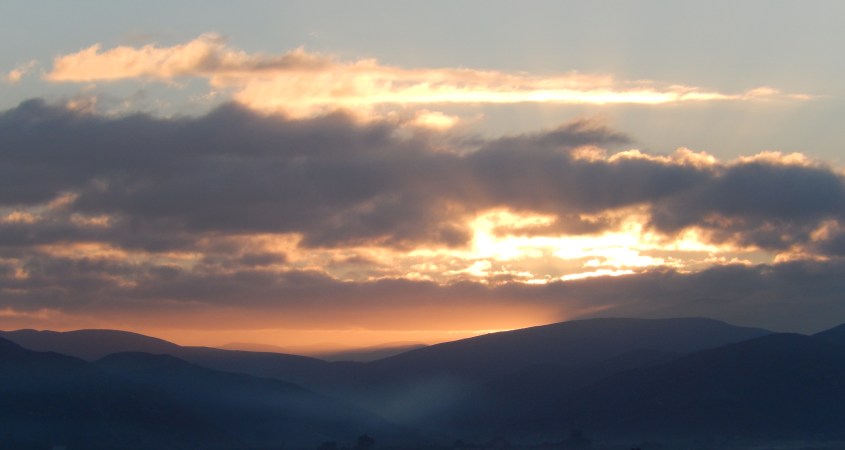
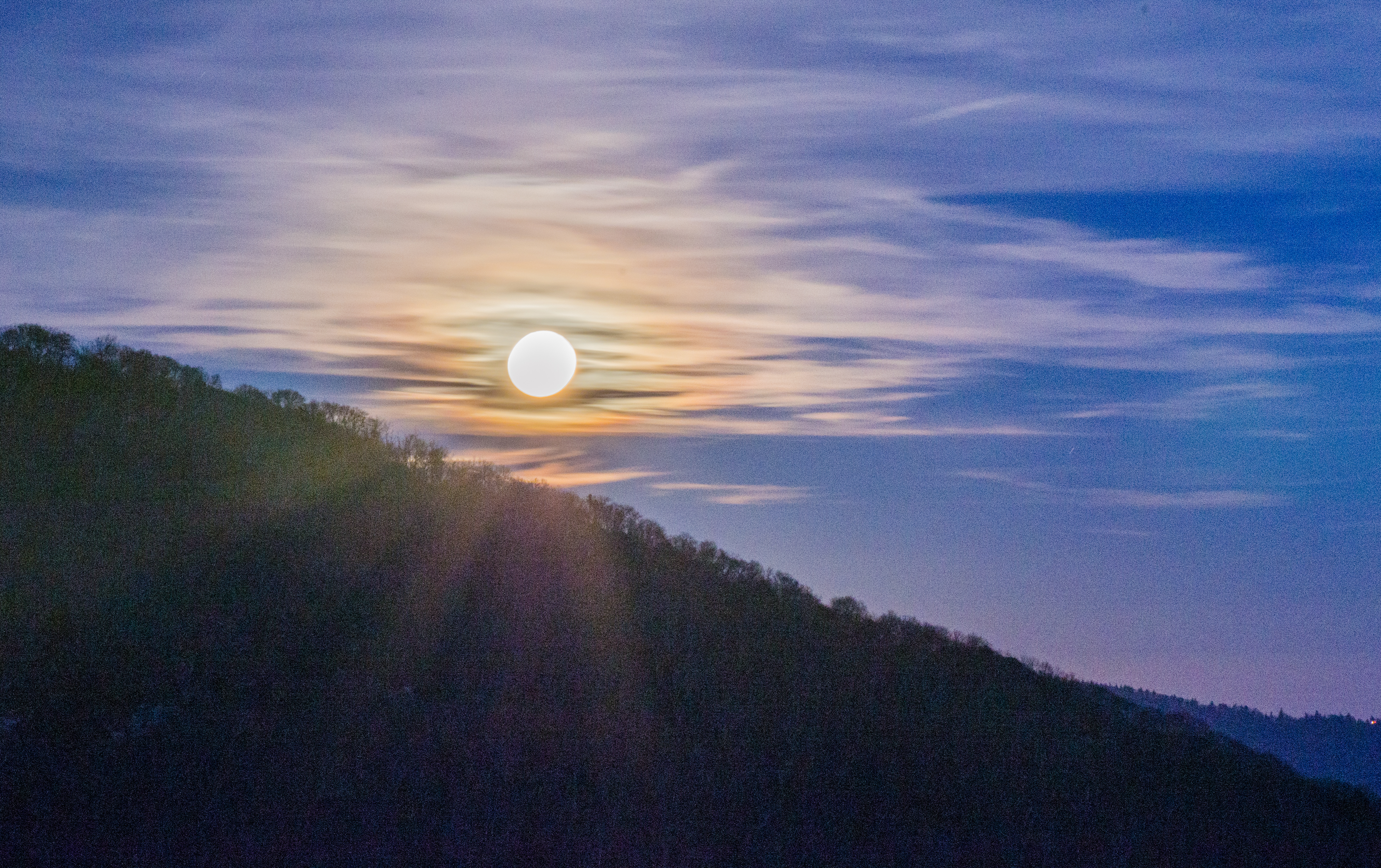
The morning, which is the most memorable season of the day, is the awakening hour. Then there is least somnolence in us; and for an hour, at least, some part of us awakes which slumbers all the rest of the day and night… All memorable events, I should say, transpire in morning time and in a morning atmosphere. The Vedas say, “All intelligences awake with the morning.

Henry David Thoreau–Walden; or, Life in the Woods

Beauty of Creation

A Prayer of Gratitude for Creation

God of the universe,

We thank You for Your many good gifts –

For the beauty of Creation and its rich and varied fruits,

For clean water and fresh air, for food and shelter, animals and plants.

Forgive us for the times we have taken the earth’s resources

for granted

And wasted what You have given us.

Transform our hearts and minds

So that we would learn to care and share,

To touch the earth with gentleness and with love,

Respecting all living things.

We pray for all those who suffer as a result of our waste,

greed and indifference,

And we pray that the day would come when everyone has enough

food and clean water.

Help us to respect the rights of all people and all species 

And help us to willingly share your gifts

Today and always. Amen.

Fiona Murdoch–Eco-congregation Ireland

Outlined

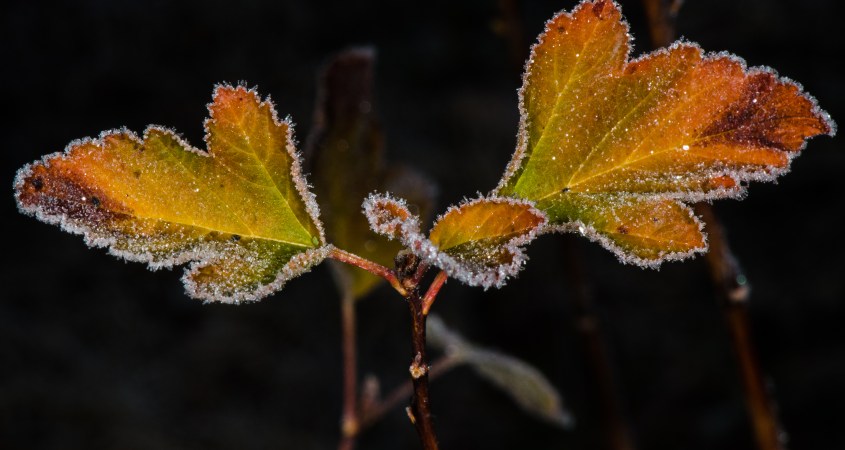
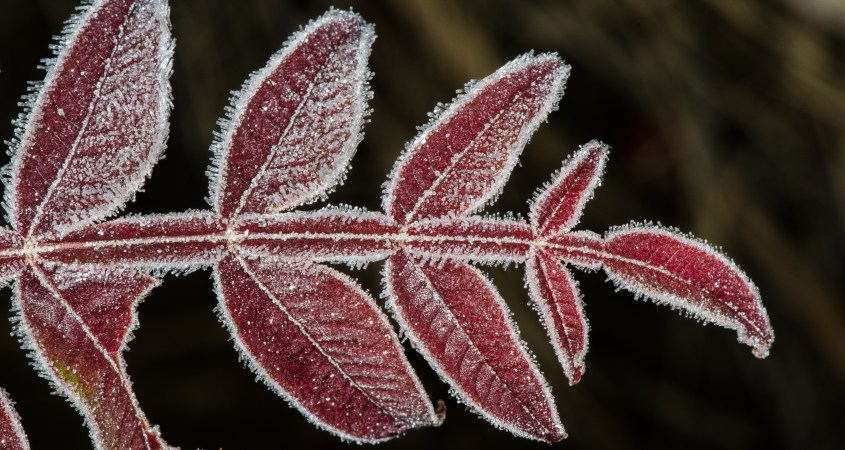
It was a black and white day of frost, which crawled along the dark trees and outlined twig and branch. The air was misty, and distant objects assumed a mysterious importance. Slight sounds, too, suggested infinite activities to the mind.

Robert S. Hitchens–A Tribute Of Souls

Uphill

…landscapes that incorporate native plants and natural processes will require less time, money and energy for upkeep than designs in which plants are selected and combined for ornamental effect alone. A purely ornamental garden is like a beautiful, sleek automobile with no engine. It may be nice to look at, but the only direction it will go without help is downhill. We will be perpetually required to tow these gardens up the hill with fertilizers, watering hoses and weeding forks.

Larry Weaner–Ten Elements of Natural Design

Checks and Balances

Nature has introduced great variety into the landscape, but man has displayed a passion for simplifying it. Thus he undoes the built-in checks and balances by which nature holds the species within bounds.

Rachel Carson–Silent Spring

Dense Planting

I think every gardener intuitively knows that, because we gardeners and landscape professionals are inspired by natural plant communities that we may see out on a hike in a natural area, or on vacation. Very rarely do we see bare soil anywhere in natural, wild ecosystems.

I think one of the core principles of the natural world is that plants cover soil. (If you are in a really arid climate, you would have a lot of desert-scape bare-soil landscape.)

I think that the same principle is extremely powerful in a garden setting, and it produces much, much more sustainable landscapes if we meet nature halfway and work around this concept that plants cover soil; that nature abhors a vacuum.

I think that instead of mulching with wood, working with plants like they are designed in evolutionary terms to grow on this planet is beneficial in many, many different ways. It doesn’t only look more inspiring and beautiful to create lush, dense planting that mimics how plants arrange themselves in the wild, it also provides a habitat for some of the beautiful wildlife we so enjoy in our gardens.

And it soaks up the rain. We talk about rain gardens or sponge gardens a lot, and the more biomass we can put into our gardens, the more rain gets absorbed—put back into the ground to recharge the aquifer.

So I think on many different layers, working with this natural principle is beneficial and just so fulfilling and so meaningful for gardeners and designers.

Claudia West