Month: November 2017

Naturalistic

The word naturalistic is very interesting. When I first started 30-something years ago, I considered myself a naturalistic designer. However, I didn’t realize that meant studying nature and bringing that into the garden in somewhat concrete and literal ways.

It just meant to me creating things that looked naturalistic—that weren’t clipped, and overly pruned, and overly formal.

Over the years, I’ve learned that if you really want to call something natural, it ought to have some real connection to what goes on around you in the natural world. That started off by using native plants, or an increasing amount of native plants, and then it turned into in more recent years to understanding that no matter what plants you choose, but what natural processes you allow to unfold or manage in the landscape.

To me right now, that’s really the difference between being able to make these things happen over time, and overcome a lot of the difficulties that gardens have from a maintenance standpoint and an environmental standpoint.

Larry Weaner–awaytogarden.com Interview 
Unfailing Antidote

A child’s world is fresh and new and beautiful, full of wonder and excitement. It is our misfortune that for most of us that clear-eyed vision, that true instinct for what is beautiful and awe-inspiring, is dimmed and even lost before we reach adulthood. If I had influence with the good fairy who is supposed to preside over the christening of all children, I should ask that her gift to each child in the world be a sense of wonder so indestructible that it would last throughout life, as an unfailing antidote against the boredom and disenchantment of later year…the alienation from the sources of our strength.

Rachel Carson–The Sense of Wonder


Unsustainable Harvest

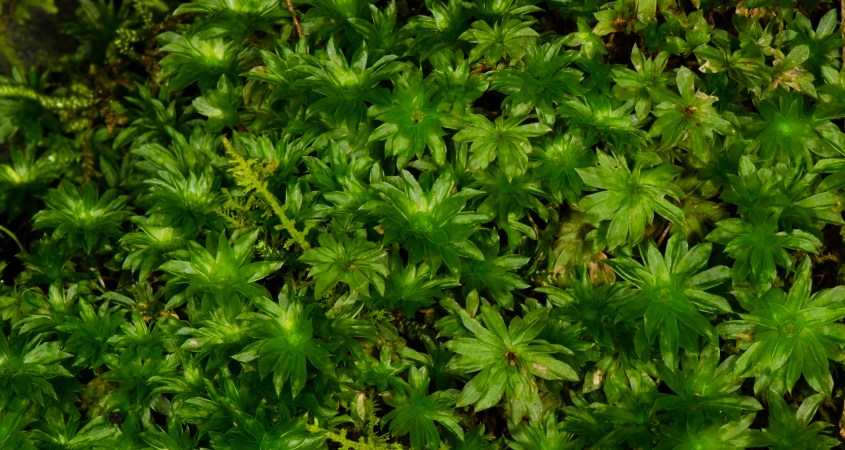
Moss harvesters are in a sense removing “old-growth” mosses, which cannot replace themselves nearly as quickly as they are removed. This is, by definition, unsustainable harvest. Their loss will have consequences we cannot foresee. When the mosses are taken, their web of interactions goes along with them. Birds, rivers, and salamanders will miss them.

Robin Kimmerer–Gathering Moss: A Natural and Cultural History of Mosses

Still Time

Somewhere close I knew spear-nosed bats flew through the tree crowns in search of fruit, palm vipers coiled in ambush in the roots of orchids, jaguars walked the river’s edge; around them eight hundred species of trees stood, more than are native to all of North America; and a thousand species of butterflies, 6 percent of the entire world fauna, waited for the dawn. About the orchids of that place we knew very little. About flies and beetles almost nothing, fungi nothing, most kinds of organisms nothing. Five thousand kinds of bacteria might be found in a pinch of soil, and about them we knew absolutely nothing. This was wilderness in the sixteenth-century sense, as it must have formed in the minds of the Portuguese explorers, its interior still largely unexplored and filled with strange, myth-engendering plants and animals. From such a place the pious naturalist would send long respectful letters to royal patrons about the wonders of the new world as testament to the glory of God. And I thought: there is still time to see this land in such a manner.

Edward O. Wilson–The Diversity of Life

Variety of Life

Landscapes of great wonder and beauty lie under our feet and all around us. They are discovered in tunnels in the ground, the heart of flowers, the hollows of trees, fresh-water ponds, seaweed jungles between tides, and even drops of water. Life in these hidden worlds is more startling in reality than anything we can imagine. How could this earth of ours, which is only a speck in the heavens, have so much variety of life, so many curious and exciting creatures?

The Walt Disney Company

All Have Voices

The universe is composed of subjects to be communed with, not objects to be exploited. Everything has its own voice. Thunder and lightning and stars and planets, flowers, birds, animals, trees—all these have voices, and they constitute a community of existence that is profoundly related.

Thomas Berry

Wonders of the World

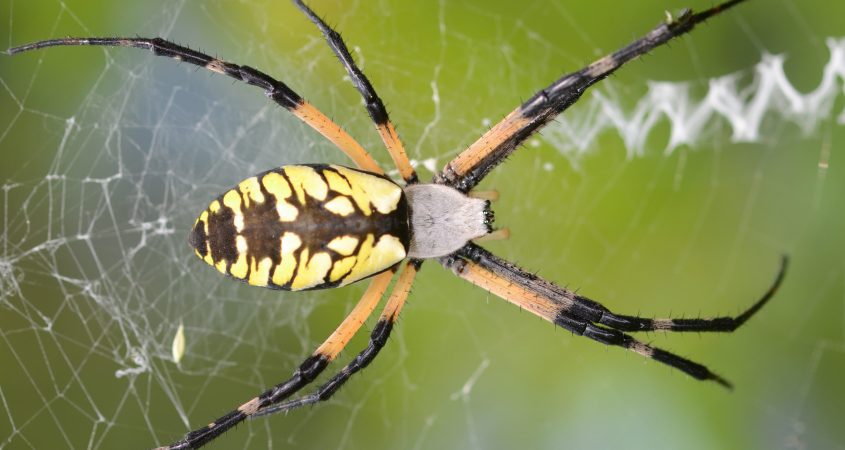
Just imagine the banner headlines if a marine biologist were to discover a species of dolphin that wove large, intricately meshed fishing nets, twenty dolphin-lengths in diameter! Yet we take a spider web for granted, as a nuisance in the house rather than as one of the wonders of the world. And think of the furor if Jane Goodall returned from Gombe stream with photographs of wild chimpanzees building their own houses, well roofed and insulated, of painstakingly selected stones neatly bonded and mortared! Yet caddis larvae, who do precisely that, command only passing interest.

Richard Dawkins–The Selfish Gene