Category: Quotes

All Have Voices

The universe is composed of subjects to be communed with, not objects to be exploited. Everything has its own voice. Thunder and lightning and stars and planets, flowers, birds, animals, trees—all these have voices, and they constitute a community of existence that is profoundly related.

Thomas Berry

Wonders of the World

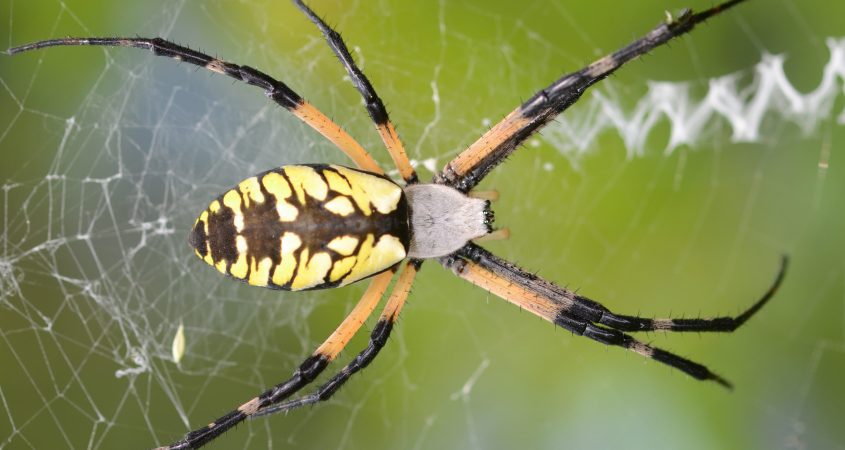
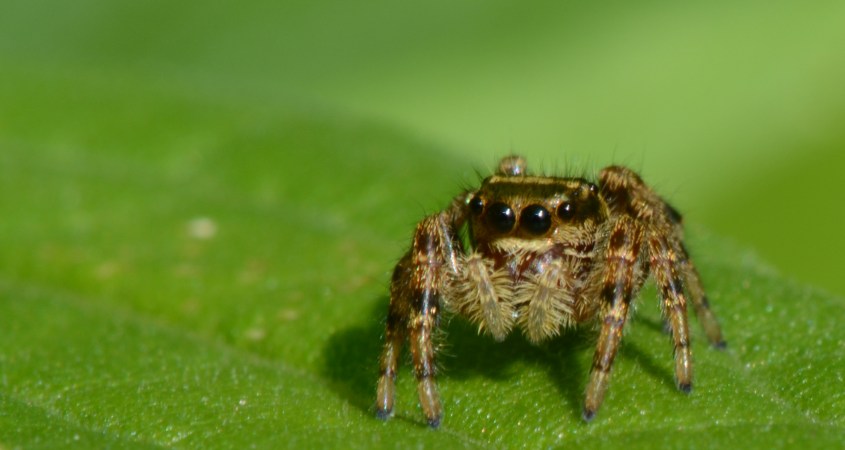
Just imagine the banner headlines if a marine biologist were to discover a species of dolphin that wove large, intricately meshed fishing nets, twenty dolphin-lengths in diameter! Yet we take a spider web for granted, as a nuisance in the house rather than as one of the wonders of the world. And think of the furor if Jane Goodall returned from Gombe stream with photographs of wild chimpanzees building their own houses, well roofed and insulated, of painstakingly selected stones neatly bonded and mortared! Yet caddis larvae, who do precisely that, command only passing interest.

Richard Dawkins–The Selfish Gene

Sacred Life

A man is ethical only when life, as such, is sacred to him, that of plants and animals as that of his fellow men, and when he devotes himself helpfully to all life that is in need of help.

Albert Schweitzer–Out of My Life and Thought, An Autobiography

Natural Wonders

Here is your country. Cherish these natural wonders, cherish the natural resources… the history… the romance, for your children and your children’s children. Do not let the selfish men or greedy interests skin your country of its beauty, its riches or its romance.

Theodore Roosevelt

Choose Wisely

Most of the trees we plant will outlive us–choose wisely; choose indigenous [i.e. native]. …It’s impossible to “deadhead” a tree; nonindigenous trees may produce seeds for a hundred years or more… Indigenous species of trees in just ten genera (oaks, willow, and cherries are the top three) provide food for well over a thousand species of butterfly and moth caterpillars. Before choosing a new tree, consider how many life forms, in addition to humans, will be able to use it over the next hundred years.

Carolyn Summers–Designing Gardens with Flora of the American East

Kudzu

The kudzu vine is a native of Japan and China, where it enjoys a life of ecological balance, hemmed in by the other plant and animal species that it evolved alongside. It plays its biological part, fixing nitrogen out of the air and into the soil and helping to redistribute and diffuse nutrients and energy. The kudzu story would end there if it had stayed within its home range. Instead, the vine has taken on an almost mythological aura as it has spread and smothered a vast range of land in the southern United States, Canada, Australia and New Zealand. The fast-growing vine, in the absence of natural predators, blazes across forests, climbing and reaching for every bit of available sunlight. The leaves shade out and kill any native fauna unfortunate enough to be found underneath. This vine is a prodigious grower and its advance has yet to be stopped in any meaningful way. There are efforts underway to develop specialized herbicides to combat kudzu and some people are working on tasty ways to eat it but for now, the vine marches on.

Shea Gunther–Mother Nature Network (mnn.com)

Harmonizing

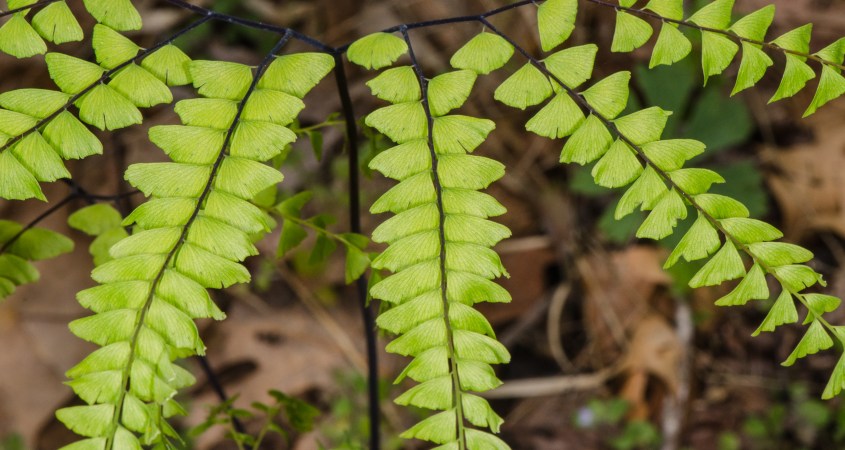
Yes, they are almost all some shade of green, and yes, they generally have a certain “ferniness”—soft texture, narrowly triangular, pinnately compound fronds coming from a clumped or creeping underground rhizome—but ferns are also beautiful, undeniably alluring, and truly a calming and unifying presence in the garden.

In many ways masses of ferns do for the shade garden what grasses do for the sun, harmonizing and uniting disparate colors and textures in a perfectly natural way. In fact, a shade garden without a good complement of ferns is simply incomplete.

~William Cullina–Native Ferns, Moss & Grasses

A Gut Reaction

The concept of pest is entirely a human notion. There are no pests in nature. For humans, pests get to be pests when they teeter out of balance with their environment and do things we don’t want them to do…
Gardeners tend to be fairly level-headed folks, but when insects threaten, the garden gloves come off and the boxing gloves go on. It is a gut reaction…
When these sorts of insects come to call, as often as not the gardener will first seek out the quick cure (whether mechanical or chemical) without thinking too much about the consequences of the action. This is a self-taught, cultural response, which is basically out of sync with the way a garden ought to work and all of nature, in fact, tries to work…
Unfortunately, when we haul out the pesticides we not only must face the battle, we usually end up prolonging the war we meant to end.

Eric Grissell–Insects and Gardens: In Pursuit of a Garden Ecology